

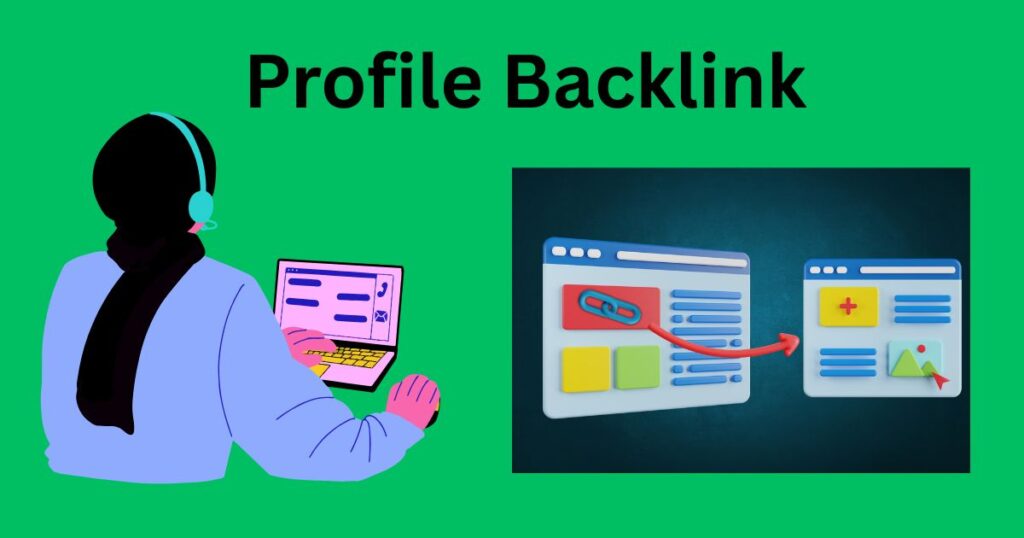
A backlink profile is a key SEO term. Every marketer should understand it well. To analyze a backlink profile, check three things. Look at the quality, the count, and the match of the links.
These factors show your authority, boost your ranking, and shape a smart strategy. In digital marketing, a strong backlink profile builds trust. It tells search engines that your website has value. Good links raise your reach and help with long-term optimization goals.
With this guide, you can analyze your backlink profile with ease. Match it to new SEO trends and build a strong strategy. This simple guide shows how links to your website help with search engines and optimization in 2025.
What Is A Backlink Profile?
A backlink profile is the full list of all backlinks that point to your website. These joins come from other websites and act like signs of belief. A solid backlink profile is key for search engine optimization (SEO).
When you analyze a backlink profile, you see things like grapple content, space quality, and pertinence. These appear if your backlink procedure is well-structured and well-maintained. A strong setup helps your site stand out in a busy space.
Good backlinks from trusted websites boost SEO. They tell search engines your website is of high value. The more solid and significant the joins, the more prominent the chance you have to rank higher.
A savvy backlink methodology guarantees that your links are different and come from other websites with high-quality specialists. This builds trust and keeps a well-structured backlink profile that helps with steady growth.
To win in SEO, each website should check its backlinks often. By watching anchor text, relevance, and link health, you keep a well-maintained system that supports growth and helps you rank higher.
Key Points 💡
A backlink profile is the set of all inbound links that point to a website. These backlinks act like votes of trust and help show the site has value.
The quality and quantity of backlinks matter a lot. Google looks at them to see if a website has strong authority. Good inbound links from trusted sites help a site rank higher in search results. Bad links can hurt a site’s chance to grow.
To optimize a site, you need to improve the backlink profile. This means getting links that bring real worth. The best plan is to aim for both trust and rank to win in SEO.
It is smart to analyze the backlink profile often. By looking at the quality, quantity, and mix of inbound links, a website can spot weak points. It can also remove bad links and build more authority in Google’s system.
When done right, backlinks not only improve how people see a site but also boost trust. This makes the site solid and difference in making it stand out in intense look results.
What does a good backlink profile look like?
A good backlink profile takes time and care. It grows with organic links from a trusted website. This shows Google that your site is worth views. A strong backlink profile is built with high-authority links and relevant links that match your topic and niche.
A variety of backlinks from many websites shows Google that your site is safe. Good anchor text in these backlinks makes them look real, not fake. But spammy joins, low-quality joins, and low-authority joins from low-quality locales can hurt your page.
To keep a strong link profile, you must check often. If bad links show up, use disavowing links with Google’s tool. This tells Google to block those links. It saves your site from a Google penalty.
By including important links, picking up high-authority joins, and denying joins that can harm rank, your location can keep a great backlink profile. This helps it stay strong in search.
What does a bad backlink profile look like?
A bad backlink profile is not good for a site. It has many poor-quality backlinks that hurt more than they help. If a site has zero high authority backlinks or only a few high authority backlinks, search engines may not trust it.
Having irrelevant backlinks from non-relevant sites is also a big red flag. These links do not match brand relevance or niche relevance. This makes the bad backlink profile look fake and weak.
A lack of backlink variation is a clear sign, too. Strong sites need many backlink types, but if all look the same, search engines get alerted. Too much exact match anchor text, partial match anchor text, or repeated keyword anchor text makes the links look forced.
The worst part is toxic backlinks. These links can cause real harm to rank and reach. They come from spam groups, link farms, or bad sites. Search engines catch them fast.
If you don’t settle them, your location can get hit with a punishment or indeed be expelled. Doing reviews and utilizing deny instruments can help keep your location secure from poisonous backlinks.
High-quality backlinks and varied anchor text
When you aim for high-quality backlinks in 2025, you need to use varied anchor text. Google, the top search engine, checks each site and its link profile to make sure backlinking is real and not fake. A mix of anchor types lowers the risk of a penalty and helps your content show up in your industry or niche.
Low-quality links hurt trust. But high-quality backlinks with the right keywords, branded anchor text, brand name, and naked URLs build trust. Hyperlinking that looks real makes your site strong and shows quality to Google.
Here are the main kinds of anchor text:
- Branded Anchor Text: Use your brand name to build trust.
- Keyword Anchors: Add keywords from your niche to fit the content.
- Naked URLs: Use the raw URL to keep hyperlinking real.
- Generic Anchors: Use words like “click here” or “learn more.”
- Partial Match Anchors: Mix a keyword with other words for a wider range.
- Exact Match Anchors: Use the full keyword for strong but safe use.
When you blend these anchor types with quality content, your site keeps a strong link profile. This way, your backlinking stays real, rich in keywords, and right for your niche. In time, this mix helps you rank well and grow brand power.
Avoid over-optimized anchor text
When you construct a backlink profile, you ought to maintain a strategic distance from over-optimized grapple content. Google and each search engine care more about quality and real links. If you use exact-match anchor texts too much, it looks like you want to manipulate rankings. This can hurt your site in the long run.
Good backlinking needs balance. A strong link profile should use various types of anchor text. This means mixing brand names, plain words, and real phrases. This practice shows both Google and your clients that your site is safe and real.
Using too many over-optimized anchor texts is a risk. Search engines may see them as low-quality links. If that happens, your site could get a penalty. But if you avoid this, your site has more opportunity to grow strong and rank better.
Focus on quality, not just numbers. Agencies and SEO pros should guide clients to smart plans. A mix of real anchors helps sites build safe power. This keeps your link profile strong without red flags.
Link Relevance
Links help build a strong backlink profile. The type of backlinks is key, but link relevance matters most. Link relevance means inbound links match the website’s category and fit the industry.
Say a brand gets shopping links from e-commerce stores. Search engines see this association and place the backlink profile in the shopping category. This classification helps search results show the website’s niche. It also boosts search rankings.
Inbound link types can vary. A site may get backlinks from a financial services blog or a major website with financial advice. When these backlinks share link relevance, the impact is strong. They help the website rank higher.
Search engines trust websites with high link relevance. A backlink profile with a strong association in the right industry category shows trust and authority. This lets the website grow and hold its spot in search results.
Where to Find Your Backlink Profile
A backlink profile is key to your website. It shows all the backlinks that point to your site. This helps you see how Google and other search engines view your site. With a strong backlink profile, you can track growth and spot new websites that link to you.
Start with Google Search Console. It is one of the best free tools and shows clear data about each backlink pointing to your site. It also does a daily crawl to find new websites. You can view and track this info at no cost.
For more information, try SEO tools like Ahrefs, Majestic SEO, and SEO tools. They scan a big pool of sites and give full reports. These tools crawl many websites and share data on links, text, and rank. With their comprehensive lists, you can see trends and track change over time.
To check your backlink profile well, use both. Free tools like Google Search Console show new websites fast. Paid SEO tools give deep crawl data and full reports. This mix gives the best view of your backlink profile.
Backlink Profile Analysis
A full backlink profile analysis helps spot strong links and weak ones. Marketers use backlink profile assessment to check links. They assess backlink profile parts like anchor text, domain rank, and link fit. This makes it easy to see backlink quality and act fast to grow trust.

Good backlink management keeps links real and safe. With backlink evaluation and SEO analysis, you can see how search tools view your link profile. A clear link assessment shows good links and warns of risks.
Strong link management and checks on link profile health stop bad or spam links. A backlink audit helps clear toxic links. It also builds a smart backlink strategy.
For off-page SEO, steady backlink monitoring is key. Watch backlink performance to track growth and strong links. This way, you can adjust plans and keep your backlink profile strong for long-term SEO wins.
Analyze your referring domains
When you start backlink analysis, the first step is to check your referring domains. These are the sites that send incoming links to your page. By doing a clear profile analysis, you learn how strong your backlink profile is.
Backlink checker tools like Ahrefs, SEMrush, and LinkMiner make this work quick. They appear to be key SEO measurements, such as connect check, adding up to the number of referring spaces, and if there are different backlinks from the same location. It is smart to check for one link per domain. This gives a clean view of the site’s power.
Use Google Search Console with these tools to keep data true. An exported backlink profile lets you see the numbers, track growth, and spot trends in your incoming links. This keeps your backlink analysis clear and on track with SEO goals.
When you know the total number of referring domains, the multiple backlinks, and the worth of each source, you make your profile analysis strong. This step builds a base for smart link plans and long-term SEO wins.
Check the number of backlinks
When you check the number of backlinks, it helps to know why backlinks matter. Backlinks tell a search engine that your site has good trust. The number of backlinks linked to your site can raise its ranking and boost search engine performance.
When you do an audit of your backlink profile, look at the total backlinks. This metric helps you analyze how many links point to your site and from which referring domains. A good backlink profile has links from many sites, not just one.
If your site has strong backlinks, it can rank better on search engine results pages (SERPs). The aim is to rank highly for tough words. Both the quality and the number of backlinks matter a part. By following backlinks regularly, you construct a solid backlink profile that lifts your site’s authority.
Take a look at varying anchor texts
When you build a strong backlink profile, you must check your anchor texts. The variation of keywords and phrases in your backlink anchor text shows Google that your links look real. A good variety helps your site seem safe and true.
By inspecting anchor texts, you may discover if one specific anchor text or set of keywords is overused. A high percentage of the same phrases may look fake. This can make Google penalize your site.
To avoid this, use a mix of anchor texts when you build links. Add branded words, simple phrases, and partial match keywords. Do not just use exact matches. This variation makes your backlink profile strong and helps your site last in search.
Take a look at backlink velocity
Backlink velocity is how fast you get backlinks. It shows the speed of your backlink growth over time. When a website receives new backlinks, it shapes the backlink profile. By looking at backlink velocity, you can see the backlink rate and spot backlink trends that help rankings.
If you grow the backlinks at a steady pace, search engines trust your white hat link building. A slow pace of backlink acquisition makes your website strong for the long run. But if backlink frequency jumps too fast without backlink monitoring, you may get a Google penalty. That can hurt your website.
Auditing backlink velocity helps you stay in charge of backlink acquisition. By tracking backlink rate and doing backlink monitoring, you can fix your link-building plan. This keeps backlinks at a steady pace and avoids risky backlink frequency.
Good backlink growth needs balanced backlink velocity. Watching backlink trends tells you if your website is receiving new backlinks in a safe way. With regular auditing, your link building will follow natural backlink acquisition and raise website trust.
Revise your backlink quality
When you work on backlinking, the first step is to see how backlink quality shapes the strength of your backlink profile. A website grows when its incoming links come from trusted sites with high domain authority (DA) and page authority (PA). These parts help boost SERP presence and give your brand more eyes online.
A quality backlink profile is not built on quantity alone. You must analyze link type, anchor text, and relevance. These link metrics help you check links with care and spot if they raise site authority or bring it down.
Low-quality backlinks can harm your site over time. That’s why you ought to audit and eliminate backlinks that do not include worth. By often checking and fixing your backlink profile, you make sure incoming links add trust and relevance.
To raise backlink quality, always:
- Check links for site authority and relevance.
- Analyze link type and anchor text use.
- Remove backlinks that cut trust or rank.
When you revise your backlink profile, you build stronger site authority and make each link work to lift your SERP presence. This steady process of check, analyze, and refine keeps your website strong and trusted.
Decide what to do next
When you decide what to do next, first check your backlink profile. Do an audit to see which links help or hurt. Look for low-quality links or spammy links.
Make a list of actions. You can disavow bad links. Or contact webmasters to remove links. Use nofollow tags when needed. Always reevaluate your plan to keep it strong.
Focus on effective tactics in the SEO strategy. Use link building with high-quality content and guest posts. Try smart outreach practices to get good links.
Check each link’s text, site rank, and metrics. Keep links that boost domain authority and page authority. Remove ones that do not help. By picking links to keep, improve, or remove, your site stays strong and credible online.
FAQs
What is a backlink profile?
A backlink profile is all the links from other websites to your site.
Why is a backlink profile important?
It makes a difference in boosting your site’s look, positioning, and authority.
How can I check my backlink profile?
You can check it utilizing SEO tools like Ahrefs, SEMrush, or Google Search Console.